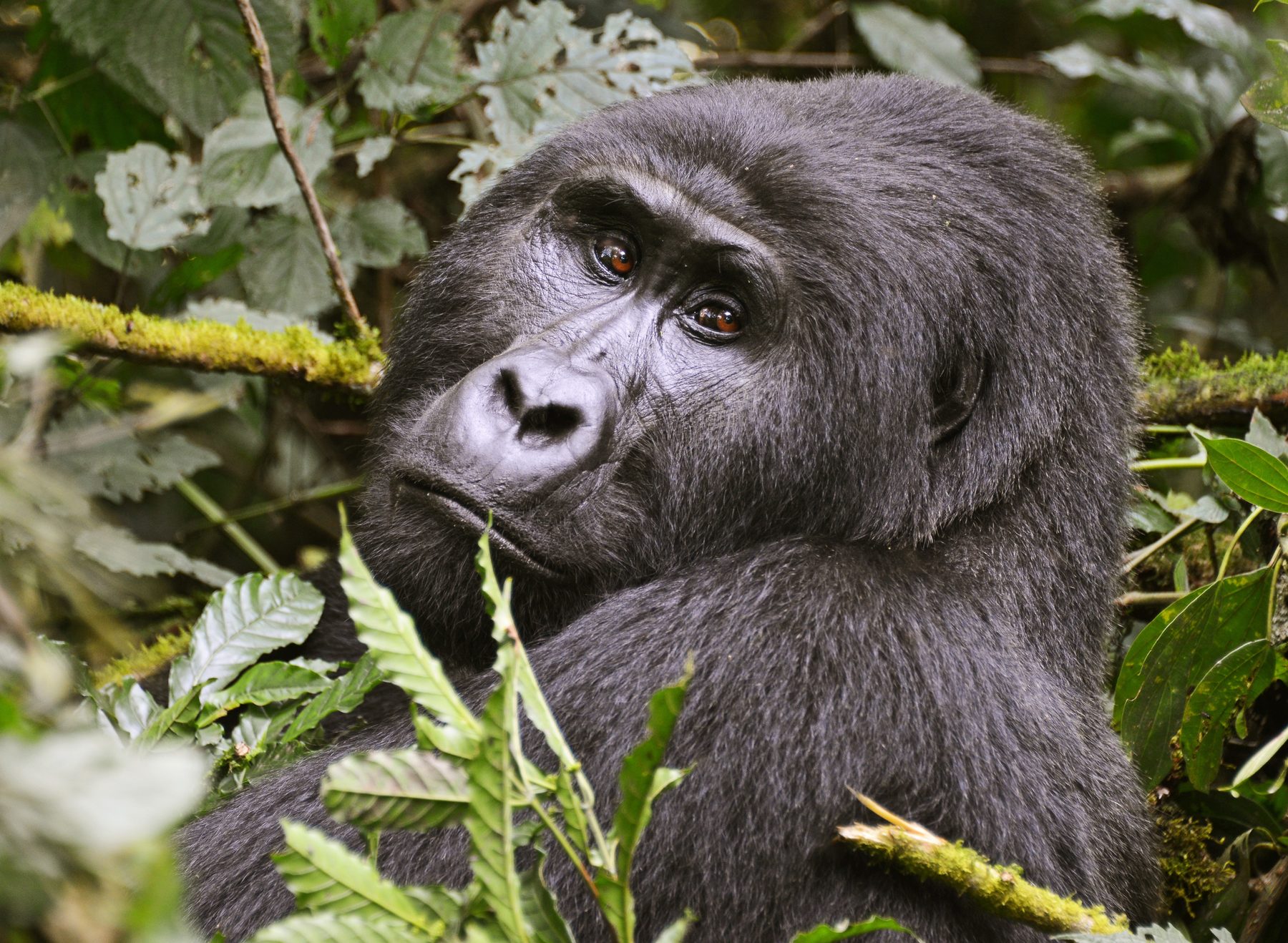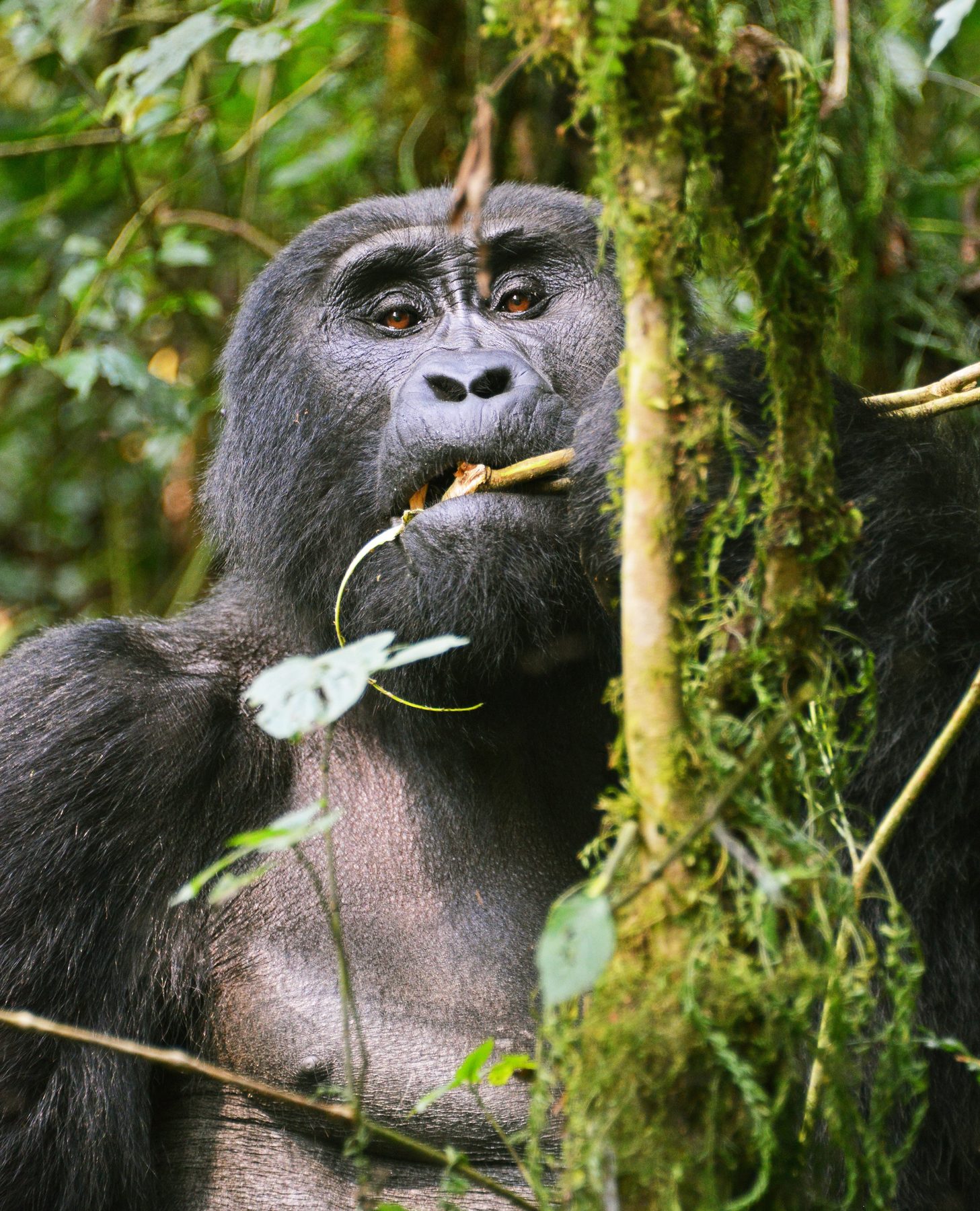
Mountain gorilla feeding on a vine in Bwindi Impenetrable Forest, looking directly at the camera
Bwindi Impenetrable Forest · From Jinja, Kampala or Entebbe

An hour with
mountain
gorillas.

There are barely a thousand mountain gorillas left on earth, and roughly half of them live in one forest in southwest Uganda. You get one hour with a habituated family — standing close enough to hear them breathe. It is the single most extraordinary thing this country offers.

1 – 5 day trips From $800 Ages 15+ Moderate – strenuous Permit required
One hour. Ten metres. No fences, no enclosure, no guarantee.

A ranger tracks the family from where they nested the night before. You follow, sometimes for forty minutes, sometimes for six hours, through steep forest that earned the name Impenetrable. Then the tracking stops, the guide signals, and a silverback is sitting in front of you eating leaves as though you are not there. You get sixty minutes. Everyone who has done it says the same thing afterwards: it was over too fast, and it was worth every shilling.

The forest

Half the world's
mountain gorillas.

Bwindi Impenetrable National Park is 331 square kilometres of montane rainforest on Uganda's southwestern border — a UNESCO World Heritage Site, and one of the most biologically diverse forests in Africa. It has never been logged. Some of the trees pre-date the country.

Around 459 mountain gorillas live here, out of a global population of roughly 1,060. They exist nowhere else on earth except this forest and the Virunga volcanoes on the Rwanda–DRC border. Every one of them is wild. The families you visit have been habituated over two to three years of daily contact with researchers, which means they tolerate people — not that they are tame.

Uganda Wildlife Authority allows a maximum of eight visitors per family per day, for exactly one hour. That limit is the reason the population has been climbing rather than falling.

Where Bwindi Impenetrable National Park, southwest Uganda
Gorillas in Bwindi Approx. 459 — about half the world's remaining population
Time with the family One hour, strictly enforced by the ranger
Group size Maximum 8 trekkers per gorilla family, per day
Minimum age 15 years — a UWA rule, no exceptions
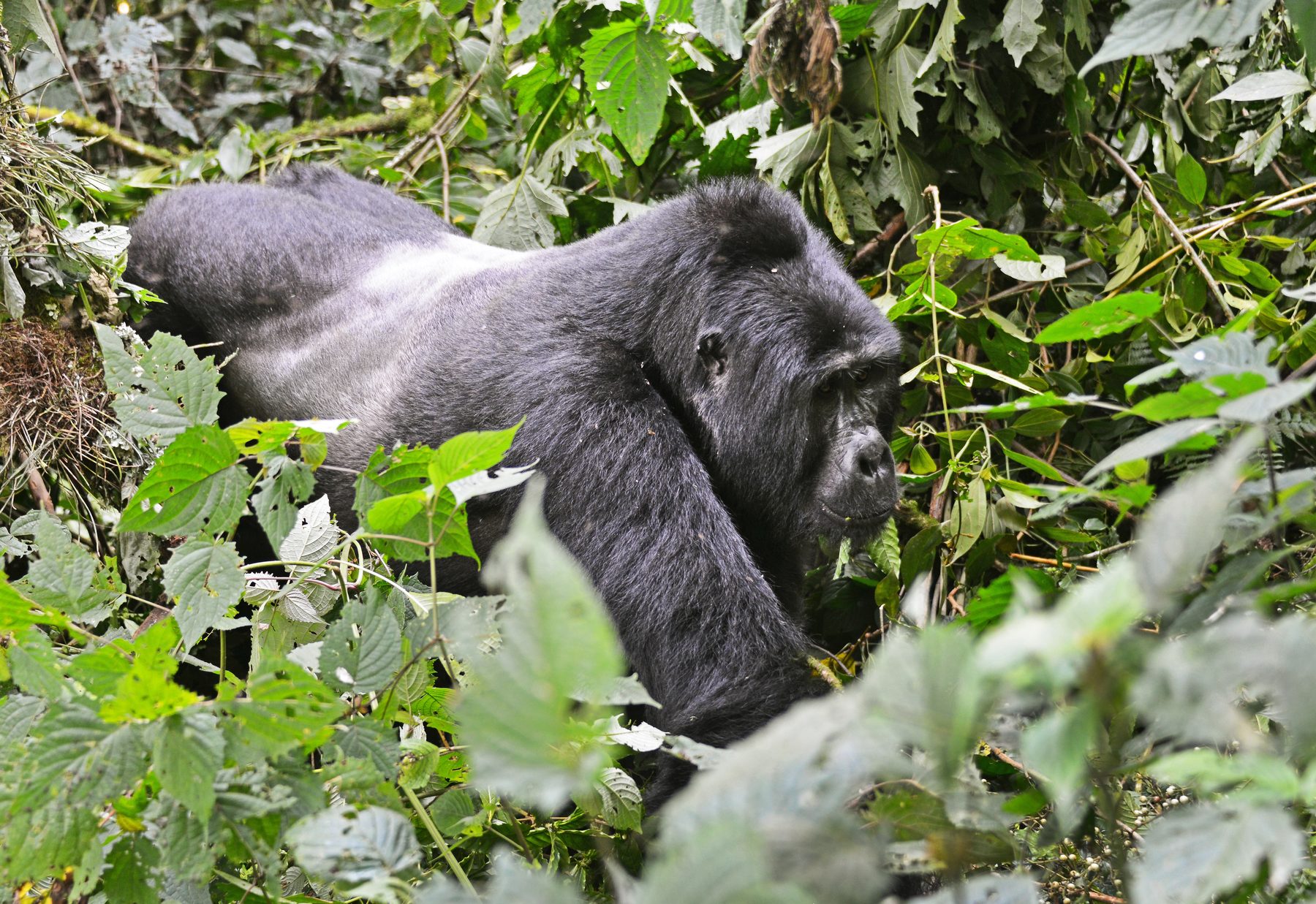
Silverback mountain gorilla resting in dense vegetation, Bwindi
Be realistic

The trek is the
hard part.

Nobody tells you this clearly enough, so we will: the walking can be genuinely tough. Plan for it and you will be fine.

Trekking time depends entirely on where the family moved overnight. It can be forty minutes. It can be six or seven hours. The terrain is steep, muddy, and thick — you are pushing through vegetation on slopes, often in rain, at 1,500 to 2,500 metres of altitude. There is no path in the usual sense; the trackers cut one as they go.

You do not need to be an athlete. You do need to be able to walk uphill for several hours and not mind being wet and filthy at the end of it. People in their seventies do this trek every week. So do people who regret not training for it.

Hire a porter. They cost around $15–20, they carry your bag, and they will physically haul you up the steepest sections if you need it. It is also the most direct way your money reaches the villages around the park — many porters are former poachers. There is no reason not to.

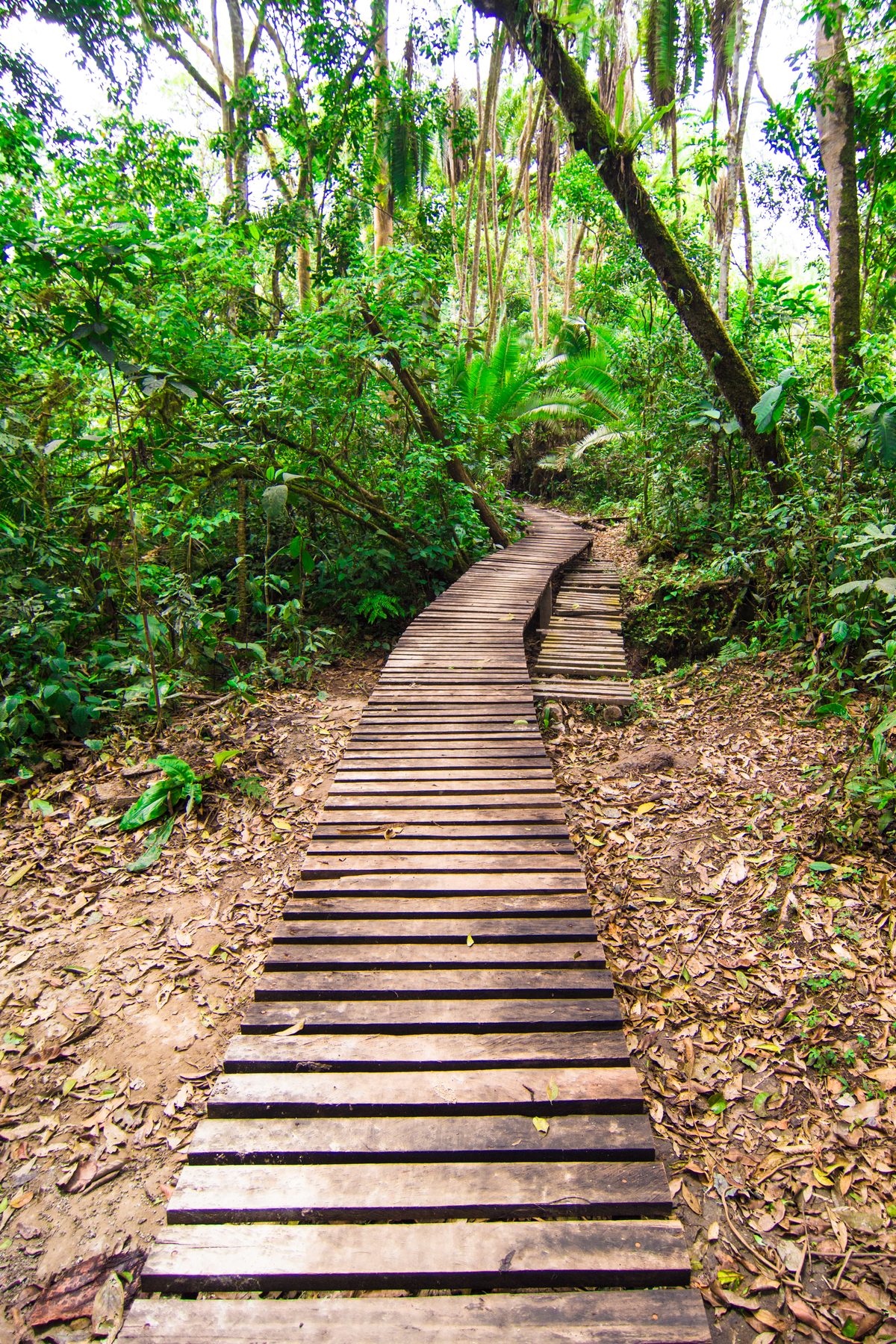
Wooden boardwalk trail leading into dense Ugandan rainforest
Before anything else

You need a permit,
and you need it early.

Gorilla trekking permit

$800 USD per person, per trek · foreign non-resident

This is a Uganda Wildlife Authority fee, not ours — it is the same price through every operator in the country, and it is what funds the ranger teams and the veterinary programme that keep the population growing.

UWA sets and occasionally revises this rate. We confirm the current price with UWA when you enquire, so you are never quoted a figure that has moved.

Permits are limited by the eight-visitors-per-family rule, and the good dates go months ahead. June to September and December to February sell out first. If you know roughly when you are coming, message us early — we can hold a date before you finalise anything else.

Gorilla habituation experience

$1,500 USD per person · four hours, not one

A different permit, available in the Rushaga sector. You join the researchers and trackers who are in the long process of habituating a family that is not yet open to normal trekking.

You get four hours instead of one, in a group of four rather than eight. The gorillas are less settled around people, so it is a rawer, less predictable encounter — and a much longer one.

Worth it if you are a photographer, or if this is a once-in-a-lifetime trip and the extra three hours matter more than the cost.

You do not buy the permit separately. Every package below includes it — we secure it with UWA on your behalf, along with the transport, lodge, meals and park fees.

Prices · per person, USD

What it
actually costs.

One price covers the whole trip, from Jinja, Kampala, Entebbe or wherever you are staying, and back. The range depends on how many of you there are, the season, and the lodge. Tell us those three things and we will give you an exact figure.

Package Budget Mid-range Luxury
2-day gorilla trek $1,100 – $1,400 $1,400 – $1,800 Ask us
3-day gorilla trek $1,300 – $1,700 $1,700 – $2,300 $2,500 – $4,000

Every package includes

  • ✓ Gorilla trekking permit
  • ✓ Transport from Jinja, Kampala or Entebbe and back
  • ✓ Hotel or lodge accommodation
  • ✓ Park fees
  • ✓ Meals during the tour

Already near Bwindi?

$800 1-day trek · per person

Park entry and your hour with the gorillas. This only works if you are already staying near Bwindi or Mgahinga Gorilla National Park.

Not staying nearby? Expect $850 – $1,100, depending on transport.

Do it all.

$1,500 – $3,000 Combo packages · per person
  • Gorillas + chimpanzee trekking in Queen Elizabeth National Park
  • Gorillas + wildlife safari in Queen Elizabeth National Park
  • Gorillas + Lake Bunyonyi

Not included: porters ($15–20 on the day) and gratuities. UWA sets the permit rate, so we confirm every price when you enquire.

How the trip runs

Three days,
to Bwindi and back.

Bwindi is the far corner of the country, a long day's drive from anywhere in the east. We pick you up in Jinja, Kampala, Entebbe or wherever you are staying. Trips run from 1 to 5 days depending on the package. This is how the 3-day package runs — shorter packages trim the time either side, and the longer combos add Queen Elizabeth or Lake Bunyonyi.

Day 1

Into the southwest

Early pickup from your hotel in Jinja, Kampala or Entebbe. We drive west toward the southwest highlands, stopping for lunch and to stretch. It is a long day in the vehicle — roughly nine to ten hours from Kampala with stops, a couple more from Jinja — and the landscape changes completely: flat farmland, then hills, then terraced mountainsides. Overnight at a lodge near Bwindi.

Day 2 · 07:00

Briefing at the park headquarters

Coffee, then the UWA briefing — the rules, the family you have been allocated, and how to behave when you are in front of them. Ten metres distance, no flash, no eating, and you turn back if you are ill. Trekkers are sorted into groups of eight and matched to a family that suits their fitness. Porters are hired here. Bring your passport; permits are checked against it.

Day 2 · 08:30

Into the forest

Trackers set out before dawn to find where the family nested, and radio their position back. You walk in behind an armed ranger and a guide. Anywhere from forty minutes to seven hours, up and down, through nettles and vines and mud. Take the walking stick they offer you at the gate. It is the best free thing in Uganda.

Day 2 · The hour

With the family

Bags go down, cameras come out, and the clock starts. Sixty minutes with a silverback, females, and — if the timing is with you — infants working out how to climb. They will move, and you will move with them. The ranger will tell you when to hold still. At the end he says time, and that is genuinely that. Certificates are handed out back at headquarters, and people who thought that was cheesy end up framing them.

Day 3

The drive home

Breakfast at the lodge, then the long drive back east, dropping you back in Jinja, Kampala or Entebbe in the evening. Want more time down there? The Gorillas + Lake Bunyonyi combo adds a day on one of the most beautiful lakes in East Africa. And if you are staying on in Jinja, a sunset cruise on the Nile is about the right speed after three days on the road.

Packing list

What to bring.
What to leave behind.

Bring this

  • ✓
    Waterproof hiking boots, already broken in

    Ankle support matters on these slopes. Bwindi is muddy in every season. Do not arrive with boots you bought the week before.

  • ✓
    Gardening gloves

    The single most useful thing you can pack. You will be grabbing vegetation to pull yourself up, and a lot of it stings or has thorns.

  • ✓
    Long trousers and long sleeves

    Non-negotiable. Nettles, safari ants and thorns are constant. Tuck your trousers into your socks — it looks ridiculous and it works.

  • ✓
    Rain jacket

    It is a rainforest at altitude. It rains in the dry season too. A poncho that covers your daypack is even better.

  • ✓
    Your passport

    Permits are issued against passport details and checked at the briefing. No passport, no trek, no refund.

  • ✓
    Camera with a fast lens, no flash

    Forest light is low and flash is banned. A lens that opens to f/2.8 or wider earns its place. Bring spare batteries — there may be no power at the lodge.

  • ✓
    Cash in small US dollars

    For porters, tips and community fees. Notes should be 2009 or newer or Ugandan banks will refuse them.

  • ✓
    Packed lunch, snacks and 2 litres of water

    You could be out for eight hours. Your lodge will pack a lunch box if you ask the night before.

Leave this behind

  • ×
    Any cold, flu or stomach bug

    Gorillas share almost all of our DNA and no immunity to our viruses. A human cold can kill them. If you are ill on the morning, you must declare it — UWA will usually rebook you or refund the permit.

  • ×
    Flash photography

    Banned outright. Turn it off before you leave the vehicle so you are not fumbling with settings during your one hour.

  • ×
    Drones

    Illegal in Ugandan national parks without a permit that takes months to obtain. They will be confiscated at the gate.

  • ×
    Children under 15

    A UWA rule and it is not negotiable at the gate. If you are travelling as a family, we will build the rest of the trip around the trekkers.

  • ×
    The idea of a guaranteed sighting

    Success rates in Bwindi are extremely high — well over 95% — but these are wild animals in a mountain forest, and nobody can promise you anything.

  • ×
    Single-use plastic bottles

    We supply water on all Float the Nile trips and we do not carry plastic into protected forest.

What’s included

Trip details

Included in every package

  • ✓ Gorilla trekking permit, secured with UWA on your behalf
  • ✓ Transport to Bwindi and back from Jinja, Kampala or Entebbe
  • ✓ Hotel or lodge accommodation
  • ✓ Park fees
  • ✓ Meals during the tour
  • × Porters ($15–20, paid on the day)
  • × Batwa cultural experience
  • × Gratuities not included
Good to know
Trip length 1 to 5 days, depending on the package
Trek duration 40 minutes to 7 hours, depending on the family
Difficulty Moderate to strenuous — steep, muddy, high altitude
Minimum age 15 years (UWA rule)
Best season Jun – Sep & Dec – Feb — drier, firmer ground
Book ahead 3 – 6 months for peak season permits
Departs Jinja, Kampala, Entebbe or your hotel
Make it a bigger trip

You have come
a very long way.

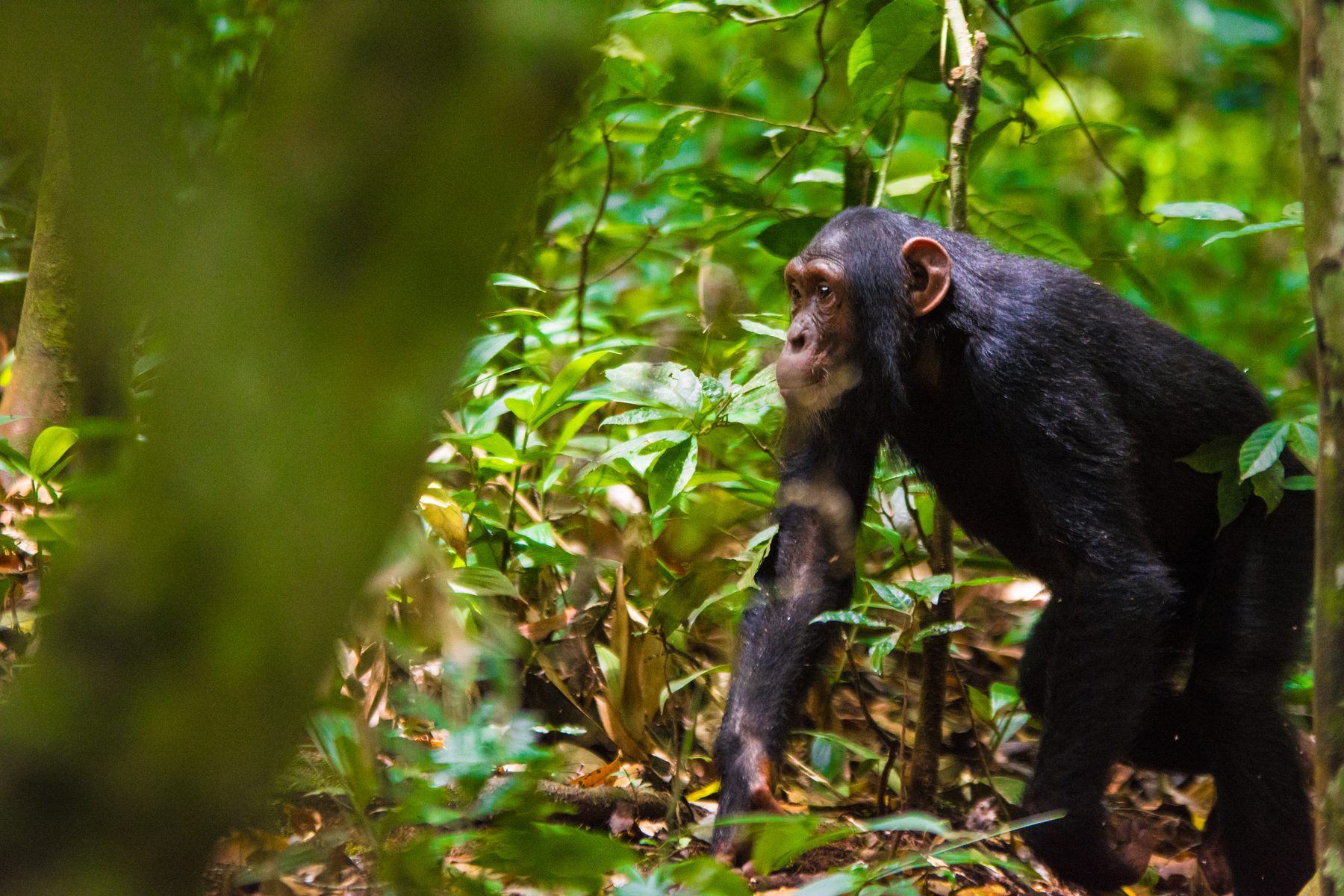
If you are already travelling to the southwest for the gorillas, Queen Elizabeth National Park is on the same road. A combo package, from $1,500 to $3,000, adds chimpanzee trekking, a wildlife safari or Lake Bunyonyi — one encounter becomes a proper Uganda circuit, with the Nile to finish on.

~1,060 mountain gorillas left on earth
459 of them living in Bwindi
8 visitors per family, per day
60 minutes with them

Permits go
months ahead.

Tell us roughly when you are coming and how many of you there are. We will check what permits Uganda Wildlife Authority still has for those dates, confirm the current rate, and send you a full price for the trip — no deposit needed to ask.